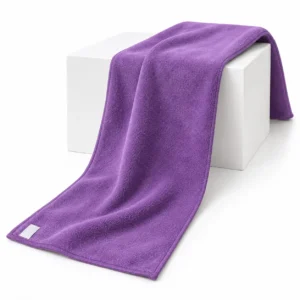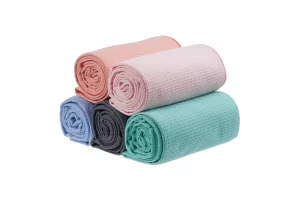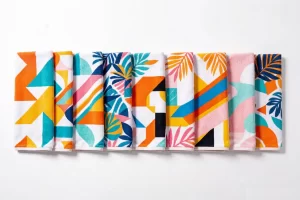
A cleaning towel looks simple until you have to specify one. The cloth that feels right in a retail multipack may be awkward to fold during a cleaning shift. An attractive label may sit exactly where the user needs an uninterrupted wiping surface.
For brands and distributors ordering custom microfiber cleaning towels, the useful starting point is the job: what will the cloth touch, how will it be used, and what happens after each use? Those answers make decisions about fabric, edges and packaging much easier.
Start with the surface, not the color chart
“For household cleaning” leaves a lot open. A more useful brief names the surface finish, the type of residue and whether the user will wipe dry or with a cleaning solution. Include any instructions supplied by the surface manufacturer. This gives the supplier something concrete to review.
For example, a brand planning a cloth for coated cabinet doors should identify that finish rather than describing the application as “kitchen use.” A distributor supplying several cleaning teams should also explain how cloths are collected, washed and returned to use. These are different purchasing needs even when both buyers want a square microfiber cloth.
Keep the intended application narrow enough to evaluate. Words such as “scratch-free,” “lint-free” and “streak-free” describe outcomes, not a complete fabric specification. If you need one of these claims on the pack, agree on the relevant conditions and supporting evidence before approving the copy.
Fabric, size and edges work as a combination
Microfiber identifies a material category; it does not describe every detail of a finished cleaning towel. The fiber blend, pile structure, surface finish and edge treatment still need to be selected. Yujia’s YJ-404 and YJ-405 listings leave those details to sampling and project review.
Ask for the composition and fabric GSM in writing. GSM is the fabric’s mass per square meter, so it helps describe the material being quoted. It is not a cleaning score. Two cloths with the same GSM can still have different dimensions, construction and handling characteristics.
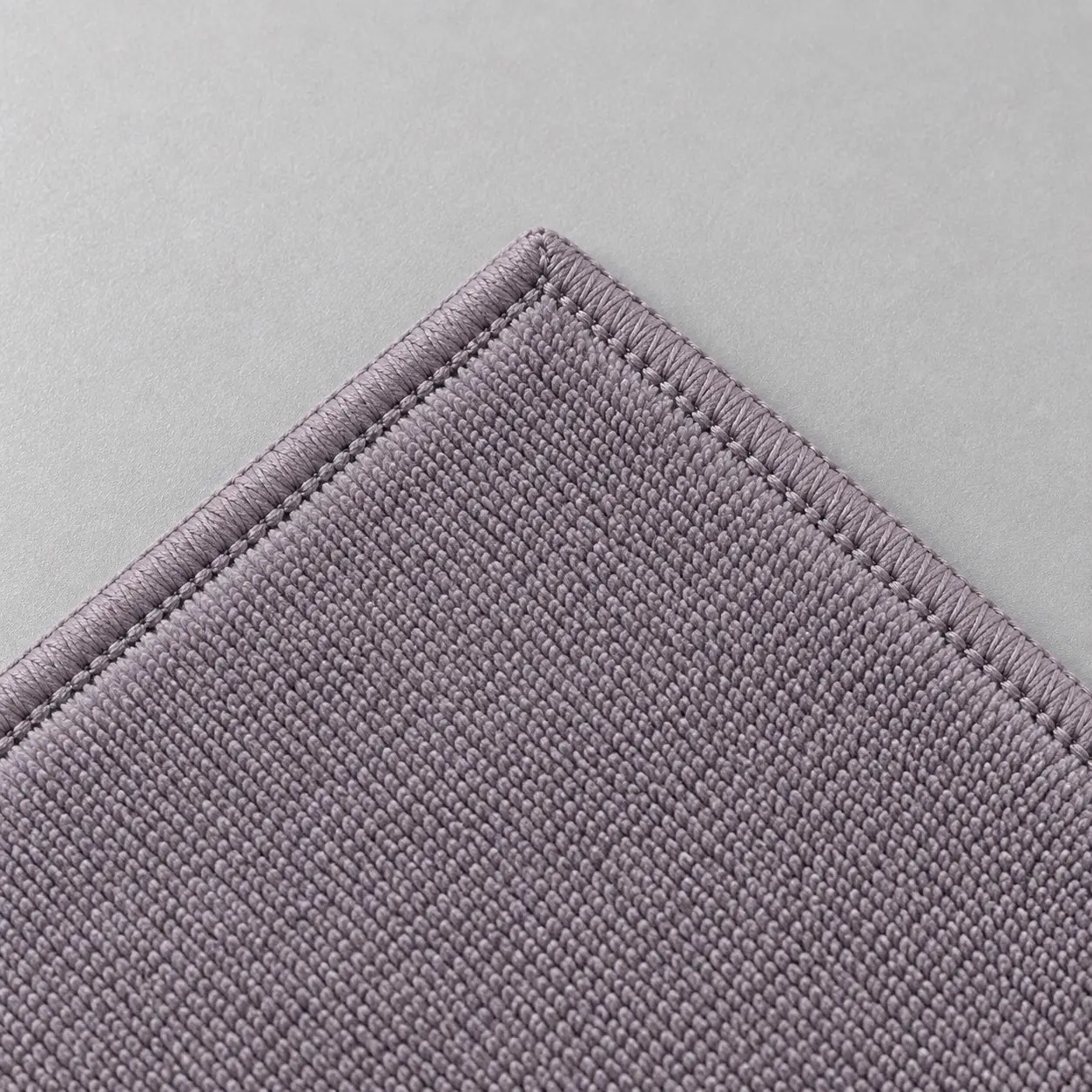
Size deserves a hands-on check. Fold the sample as the intended user would, then check whether it sits comfortably in the hand and offers a practical wiping area. A larger cloth is not automatically more convenient for every task. Record the finished dimensions and agreed tolerances so the approved size can be carried into production.
Inspect the corners, stitching and labels as carefully as the center of the cloth. A stitched border may form part of the design, but it is also part of the object touching the surface. Review the whole sample, including any branding, in the intended application.
| Detail | What to agree | What to review on the sample |
|---|---|---|
| Fabric | Composition, construction, finish and GSM | Surface feel, visible texture and wiping behavior |
| Dimensions | Finished size and tolerance | Folding, handling and usable area |
| Edges | Stitching, thread and corner treatment | Contact with the intended surface |
| Branding | Method, location and dimensions | Effect on the working area and folded appearance |
| Care | Washing and drying instructions | Appearance, dimensions and function after agreed care |
Use YJ-404 and YJ-405 as collection starting points
Yujia’s cleaning towel range includes several product directions. For buyers developing a solid-color microfiber collection, YJ-404 and YJ-405 are useful starting references because their detailed listings describe custom fabric, size, branding and packing options.
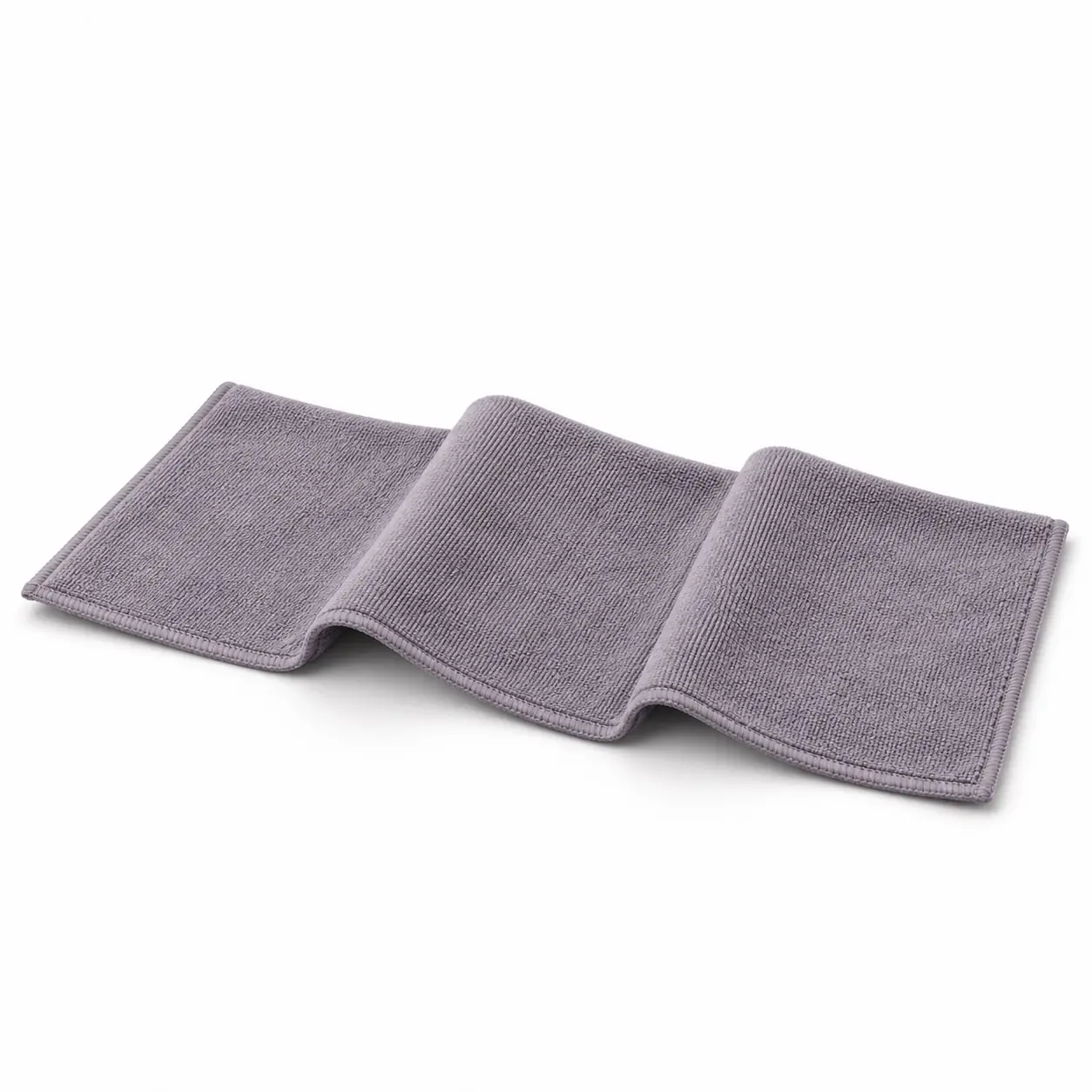
YJ-404 custom microfiber cleaning cloths are presented for home-care brands, cleaning-supply distributors and hospitality buyers. The gallery includes a dusty rose cloth with a folded presentation. YJ-405 private-label microfiber cleaning cloths use a more restrained solid-color presentation, with a mauve-gray lead image and paper-band packaging concepts.
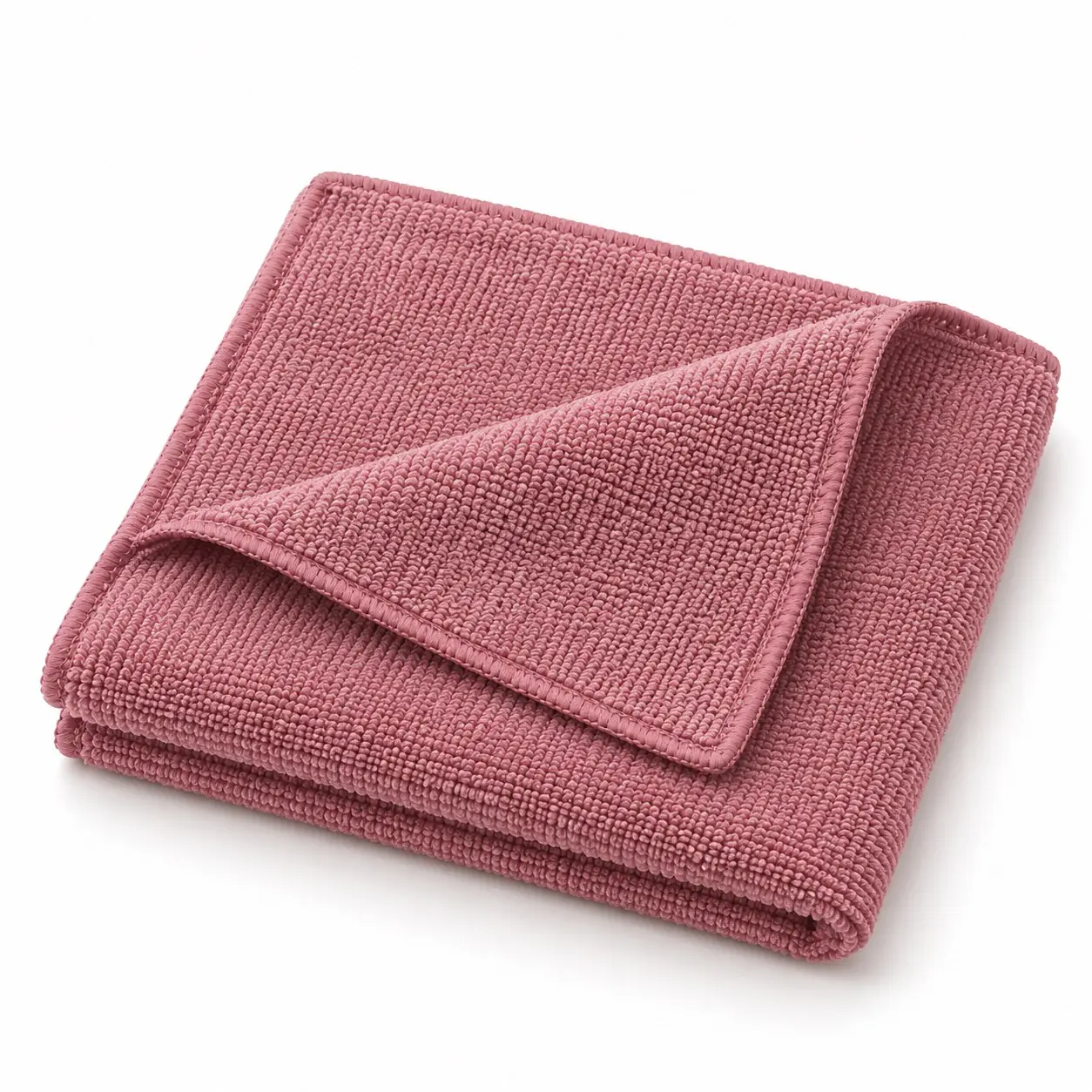
These visual differences help you brief a collection. They do not prove that one model is softer, more absorbent or more durable. For a technical comparison, request samples against the same requirements and ask the supplier to identify the actual construction differences.
Make colors and packaging serve the product
A small, coherent palette can be easier to merchandise than a large assortment without a clear purpose. Decide whether colors identify different tasks, create a coordinated retail set or simply give customers a choice. If colors represent tasks, put that assignment into the customer’s instructions. A color on its own does not establish a universal hygiene standard.
Send complete color references and approve the selected fabric physically. Screen settings, lighting and textile texture can change the way a color appears in a photograph. Keep the approved sample and its reference together so that a later reorder has a clear starting point.
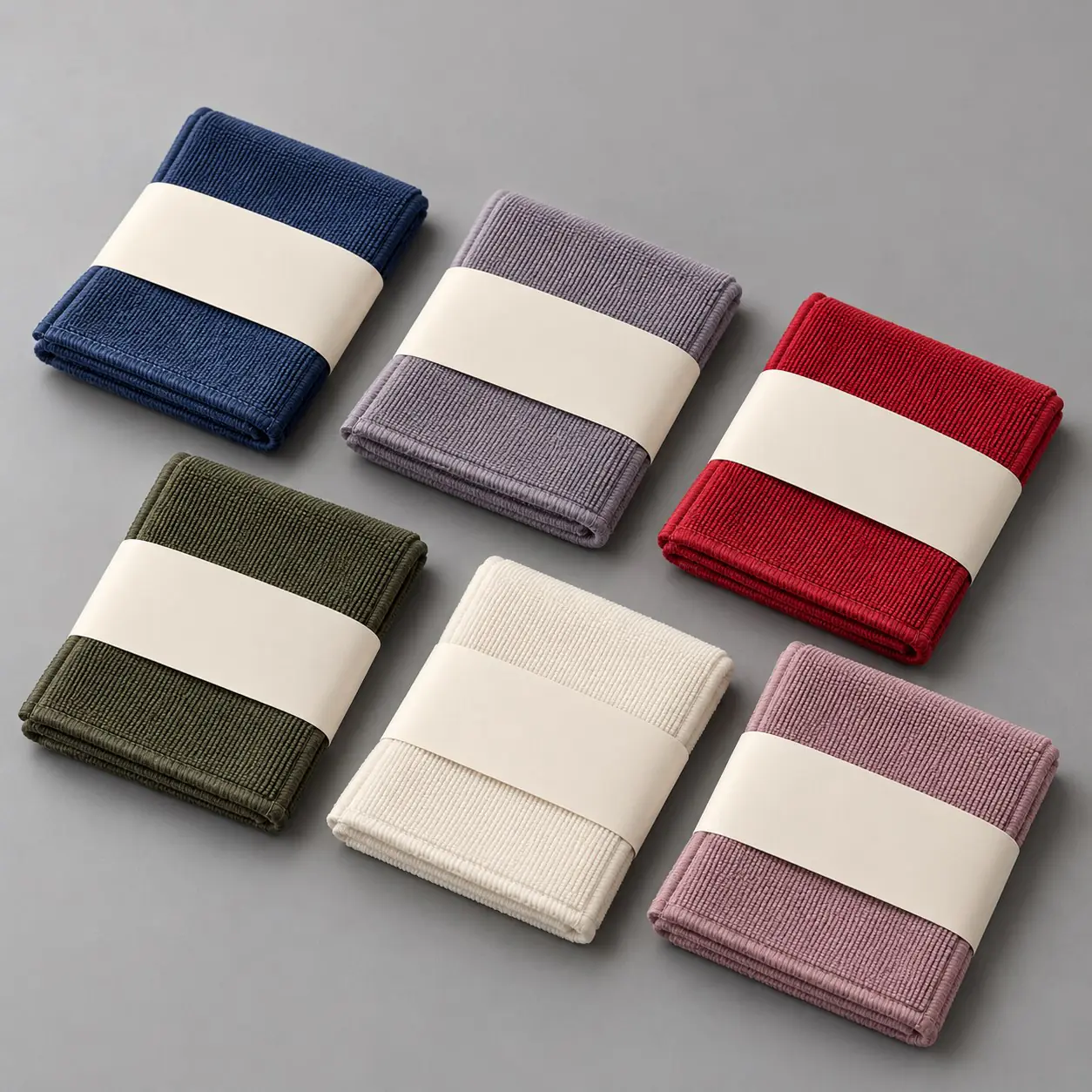
For private-label cleaning towels, packaging can carry much of the branding while leaving the wiping surface clear. YJ-405 lists paper bands, individual bags, retail boxes and multipack arrangements as options for discussion. Choose the pack count first, then check the folded dimensions and proposed packaging together.
If you want a logo or label on the cloth itself, specify the method and placement during sampling. Review how it affects contact with the intended surface. Do not assume that every decorative process suits every cleaning application.
The sample pack should also show the practical details: product identification, confirmed composition, care instructions and any information required for your sales market. Only include certification or performance statements that are supported for the actual ordered product.
Review a used and washed sample, not just an unopened one
A new sample tells you about presentation and initial handling. A sample reviewed under the intended conditions tells you more about whether the specification fits the brief. Agree on a care routine before this review; the word microfiber alone does not establish a wash temperature or drying setting.
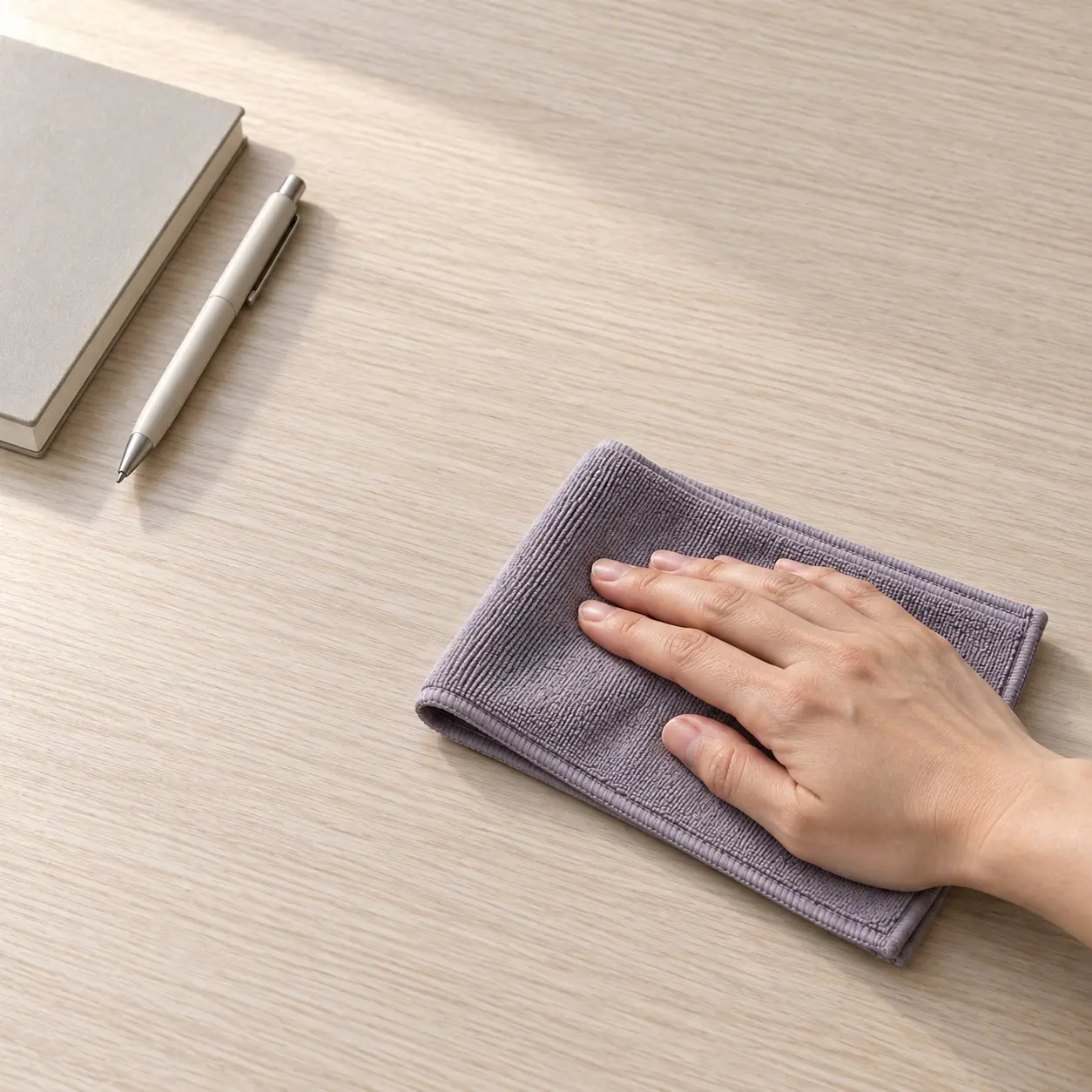
- Record the starting point. Note the sample reference, dimensions, color, edge condition and proposed use.
- Keep the comparison consistent. Use the same intended surface, wiping method and cleaning solution when comparing samples. Follow the applicable surface-care instructions.
- Write down observations. Record visible lint, residue, streaking, handling and any surface changes rather than reducing the result to “good” or “bad.”
- Apply the agreed care routine. Record the method and review interval, then reassess the dry cloth for dimensional change, edge condition and appearance.
- Retain an approved reference. Attach the final specification and sample version to the order record.
This is a purchasing review, not a standardized laboratory test. Where a measurable claim matters, arrange an appropriate test method and acceptance criteria. Keep those results separate from styling images and general product descriptions.
Send a quotation brief that prevents missing details
Begin with the preferred model and intended application, then add the size, quantity by color, branding and pack format. Ask the supplier to identify any details that remain open. Confirm the minimum order quantity, sample cost, production lead time and delivery arrangements for that specific brief.
A complete brief makes quotations easier to compare and gives sample approval a clear purpose. To discuss your collection, contact Yujia Textile with your cleaning towel requirements.
Common questions about microfiber cleaning towels
Are cleaning towels and cleaning cloths different products?
Suppliers often use both terms for reusable wiping textiles. A name alone does not define the size, material blend or intended surface. Compare the written specification and approved sample rather than relying on the wording of the product title.
Does a higher GSM mean a better cleaning towel?
GSM describes fabric mass per unit area. It does not establish cleaning performance, softness, lint release or suitability for a coated surface. Choose the weight alongside the construction, dimensions and intended task, then evaluate the complete cloth.
Are all microfiber cleaning towels safe for screens or car paint?
No universal compatibility claim follows from the word microfiber. Follow the surface manufacturer’s instructions and evaluate the selected cloth, edge finish and cleaning method. The YJ-404 and YJ-405 concept images do not verify suitability for screens, lenses or vehicle paint.
Can Yujia supply private-label cleaning cloth packs?
YJ-404 and YJ-405 allow discussion of custom colors, branding and packaging. Send the desired cloth size, quantity by color, pack count and artwork for review. Final materials, packing format, minimum order quantity and timing belong in the quotation.
Are the colors shown in the gallery available from stock?
The galleries show design directions. Confirm stock or production availability for the chosen fabric and color before planning a launch. A digital image is useful for selection, but final color approval should be based on a physical sample.